

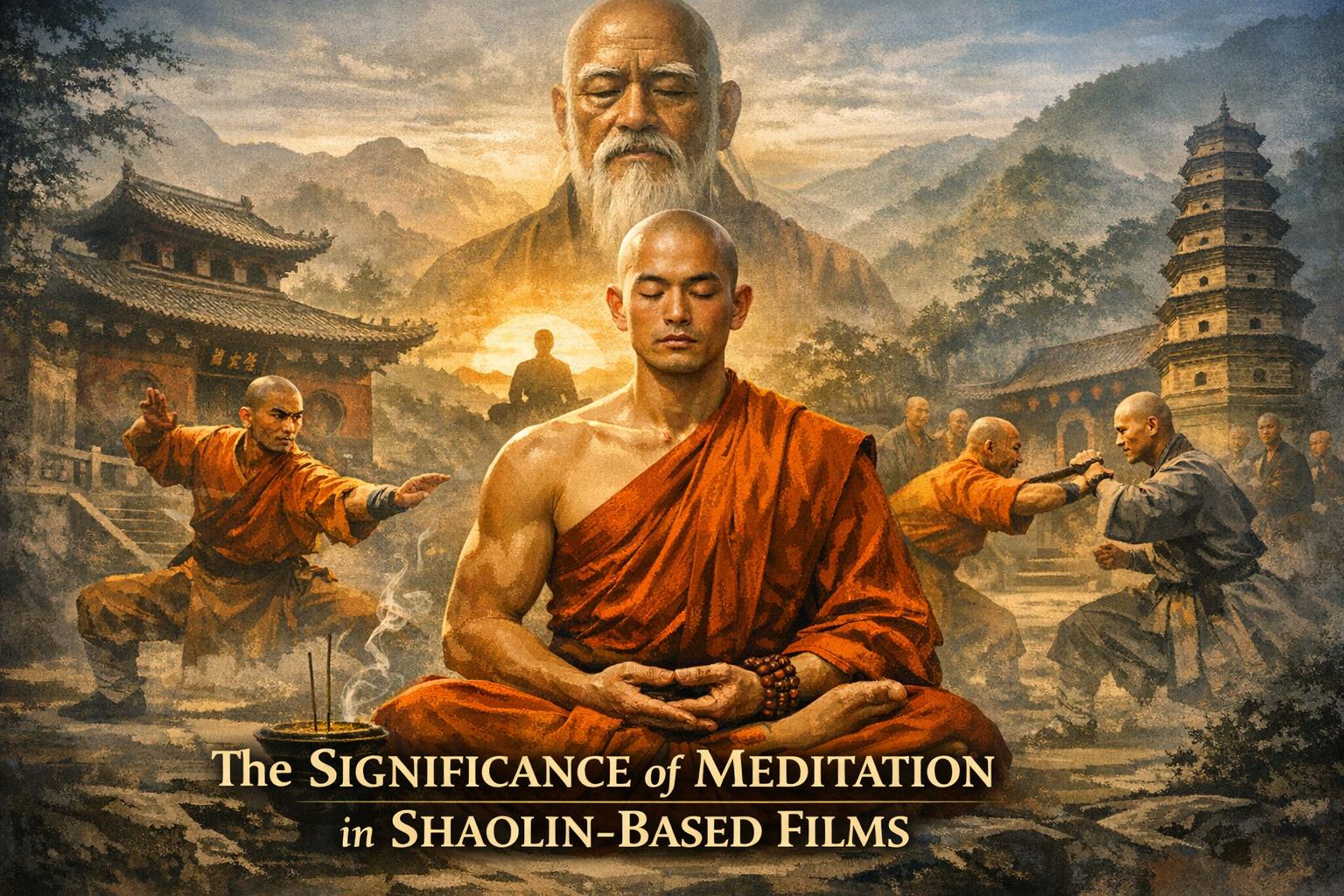
The Role of Meditation in Shaolin-Based Films
Shaolin-based films have carved a distinct position within the broader martial arts genre. While action choreography, combat sequences, and physical training often occupy significant screen time, an equally important yet more introspective element shapes the narrative structure: the practice of meditation. In these films, meditation functions not merely as a cultural backdrop but as a foundational discipline that informs character motivation, ethical perspective, and narrative progression. By embedding meditative practices into the storyline, filmmakers present Shaolin philosophy as a system that integrates physical prowess with mental clarity and moral reflection.
The depiction of meditation in such films reflects the historical association between the Shaolin Temple and the synthesis of Chan (Zen) Buddhism with martial arts training. Rather than presenting combat as an isolated physical skill, these films frequently frame martial ability as the outcome of disciplined inner cultivation. Through extended scenes of silent sitting, controlled breathing, or stillness amid austere environments, cinema communicates that strength in the Shaolin tradition arises from inward focus as much as outward motion.
Meditation as a Tool for Mastery
In Shaolin-based narratives, meditation is often portrayed as a prerequisite for attaining true mastery. Characters who rely solely on physical strength are typically shown reaching a plateau or suffering defeat. In contrast, those who incorporate meditative training achieve refined coordination, improved perception, and strategic awareness. The cinematic message suggests that technical excellence alone is insufficient; mastery requires integration of mind and body through sustained contemplative practice.
Training montages often juxtapose strenuous physical exercise with disciplined meditation. A student may be shown practicing forms repeatedly before transitioning to a period of seated contemplation. These scenes establish continuity between exertion and stillness. Meditation is represented as a process that consolidates the lessons learned during physical drills. Through controlled breathing and focused attention, the practitioner internalizes techniques and minimizes distraction.
This emphasis aligns with longstanding Shaolin teachings in which meditation develops concentration, known in Buddhist terminology as samadhi. Within film narratives, heightened concentration frequently manifests as improved reaction time or the ability to anticipate an opponent’s movement. Importantly, these portrayals avoid presenting meditation as mystical or supernatural. Instead, it functions as a disciplined mental conditioning process that sharpens perception and moderates impulsive reactions.
Furthermore, meditation scenes often serve as turning points in a character’s journey. After experiencing failure, humiliation, or doubt, a protagonist may retreat to a secluded space to meditate. The resolution that follows is not depicted as arising from sudden inspiration but from focused analysis and renewed clarity. This reinforces the idea that solutions emerge through deliberate inner examination rather than external intervention.
Inner Peace and Conflict Resolution
Another recurring theme in Shaolin-based films is the relationship between meditation and conflict resolution. Although these films center on martial arts, they frequently communicate a preference for restraint over aggression. Meditation is portrayed as a mechanism that enables characters to pause before reacting. By cultivating awareness of their emotional state, practitioners prevent anger or fear from dictating their actions.
In narrative terms, meditation often precedes moments where characters must choose between retaliation and restraint. A protagonist who endures provocation may withdraw briefly, engage in silent reflection, and return with a measured response. Such scenes underscore the Shaolin philosophical position that martial training is primarily defensive and grounded in ethical considerations. The calm demeanor achieved through meditation becomes a strategic advantage, enabling characters to recognize when confrontation is necessary and when it can be avoided.
The visual language reinforces this connection. Meditation sequences are typically accompanied by still camera work and natural surroundings, such as courtyards, mountains, or candlelit halls. These environments contrast with the chaos of combat scenes. The juxtaposition conveys that tranquility is not separate from action but underlies it. Characters who maintain inner balance are shown navigating conflict more effectively than those driven by agitation.
In some films, antagonists are characterized by the absence of meditative discipline. They may pursue power without ethical grounding or cultivate skill without introspection. This narrative contrast positions meditation as a safeguard against moral decline. The implication is that inner calm contributes not only to technical mastery but also to responsible use of power.
Character Development Through Meditation
Character development in Shaolin-based films frequently unfolds through sustained engagement with meditation. Protagonists are often introduced as novices who possess raw talent but lack focus. Their early training sequences may reveal impatience, distraction, or overconfidence. As the story progresses, meditation becomes the instrument through which these shortcomings are addressed.
The transformation is rarely instantaneous. Rather, it is shown through incremental change. A character who initially struggles to remain seated or maintain concentration gradually acquires steadiness. Dialogue may diminish during these segments, emphasizing nonverbal storytelling. Viewers observe subtle changes in posture, breathing, and facial expression, which signal growing discipline.
This developmental arc underscores a central theme of Shaolin philosophy: self-cultivation is continuous and deliberate. The films depict meditation as a daily commitment rather than an occasional retreat. By presenting repetition and routine, they convey that progress in martial arts parallels progress in mental discipline.
In addition, meditation often enables characters to reconcile internal conflicts. A protagonist torn between personal vengeance and communal responsibility may achieve resolution through contemplation. The quiet space created by meditation allows reflection on moral obligations and long-term consequences. When the character eventually acts, decisions appear reasoned rather than impulsive, reinforcing the narrative association between meditation and maturity.
Mentor figures frequently guide this process. Experienced monks or masters instruct students not only in combat techniques but also in meditative practices. Their teachings emphasize posture, breathing, and attention to thought patterns. Through these mentor-student interactions, films articulate philosophical principles in accessible terms, integrating doctrinal concepts into character dialogue.
Symbolism and Visual Representation
Beyond its narrative function, meditation carries symbolic weight in Shaolin-based films. Visually, it often represents stability amid flux. Scenes of seated contemplation contrast with rapid fight choreography, creating structural balance within the film’s rhythm. Stillness becomes a visual metaphor for inner order, while movement signifies external challenge.
Cinematography plays a significant role in shaping this symbolism. Wide shots of temple courtyards or mountainous horizons situate the meditating figure within a broader natural context. This framing suggests harmony between individual awareness and the environment. Lighting choices frequently emphasize clarity, with soft illumination during meditation scenes underscoring focus and intentionality.
Sound design also contributes to symbolic meaning. Combat sequences are marked by sharp impacts and rapid exchanges, whereas meditation scenes often incorporate ambient sounds such as wind, distant bells, or rhythmic breathing. The auditory contrast delineates internal and external realities without explicit explanation.
In certain cases, symbolic imagery accompanies breakthroughs achieved through meditation. A character might open their eyes after prolonged stillness, and the subsequent scene reveals improved composure or refined technique. The absence of overt exposition encourages viewers to interpret meditation as the source of transformation.
Historical and Philosophical Context
The cinematic portrayal of meditation draws legitimacy from historical associations between the Shaolin Temple and Chan Buddhism. According to tradition, monks integrated contemplative practice with physical training to maintain health and discipline. Films often reference this legacy implicitly through temple settings, ritual practices, and dialogue about balance and restraint.
By embedding meditation within historical frameworks, filmmakers reinforce authenticity. Costuming, architectural design, and ritual gestures situate meditation within a lineage that predates the film’s temporal setting. This historical grounding enhances the credibility of the narrative and underscores the continuity between spiritual cultivation and martial expertise.
Philosophically, Shaolin-based films tend to present meditation as a means of recognizing impermanence and moderating attachment. Characters confronted with loss or injustice are encouraged to reflect before acting. Through meditation, they acknowledge changing circumstances without abandoning principle. This philosophical dimension enriches the storyline, adding depth beyond physical confrontation.
Meditation and Narrative Structure
Meditation also shapes the pacing and structure of Shaolin-based films. Action sequences often follow periods of stillness, creating a cyclical pattern that mirrors the alternation between exertion and rest in martial training. The narrative rhythm suggests that preparation precedes engagement. Audiences are granted insight into the protagonist’s internal preparation before external challenges unfold.
In some storylines, meditation scenes mark transitions between narrative phases. Early in the film, meditation may appear tentative or fragmented, reflecting the protagonist’s inexperience. Midway through the story, longer and more focused sessions signal growing competence. By the conclusion, meditation may be depicted with minimal distraction, symbolizing attained balance. This structural repetition provides coherence and thematic continuity.
Additionally, meditation offers a medium for conveying philosophical exposition without excessive dialogue. Instead of extended verbal explanation, filmmakers rely on visual representation. The audience observes the character’s deliberate breathing and composed posture, inferring understanding through imagery rather than instruction. This approach aligns with the broader cinematic principle of showing rather than telling.
Distinction from Other Martial Arts Genres
While many martial arts films emphasize training and discipline, Shaolin-based productions distinguish themselves by foregrounding meditation as inseparable from combat skill. In other genres, mental preparation may be implied but not explicitly developed. In contrast, Shaolin narratives dedicate substantial screen time to contemplative practice, framing it as equal in importance to physical conditioning.
This emphasis influences audience perception. Combat is interpreted less as spectacle and more as demonstration of disciplined awareness. Viewers are encouraged to recognize that each precise movement arises from cultivated attention. The spectacle remains, but it is contextualized within a philosophical framework.
Moreover, this distinction shapes thematic messaging. Rather than glorifying violence, Shaolin-based films present martial capability as regulated by ethical self-awareness. Meditation thus operates as a counterbalance to aggression, reinforcing that technical proficiency must be accompanied by moral accountability.
Contemporary Interpretations
In modern adaptations, meditation continues to play a significant role, though its portrayal may evolve with cinematic trends. Contemporary films sometimes integrate psychological vocabulary alongside traditional terminology, describing meditation in terms of focus, stress regulation, and cognitive control. Despite shifts in language, the essential function remains consistent: meditation provides the foundation for disciplined action.
Advancements in cinematography have allowed for more nuanced depiction of contemplative states. Slow-motion imagery, subtle sound design, and careful editing convey internal experience without departing from realism. Nevertheless, the core principle persists across eras: meditative training shapes both the effectiveness and the ethics of martial practice.
Conclusion
Meditation occupies a central role in Shaolin-based films, serving as a structural, philosophical, and symbolic pillar. It is portrayed as a disciplined method for mastering technique, regulating emotion, and cultivating ethical judgment. Through visual contrast and narrative integration, filmmakers present meditation as inseparable from martial excellence.
By situating combat within a framework of contemplative practice, these films offer a portrayal of martial arts grounded in self-regulation and reflective awareness. Meditation is not treated as decorative spirituality but as a practical discipline with tangible consequences for character development and plot progression. Its presence ensures that Shaolin-based cinema remains distinct within the martial arts genre, emphasizing that inner cultivation underpins outward capability.
This article was last updated on: April 21, 2026