

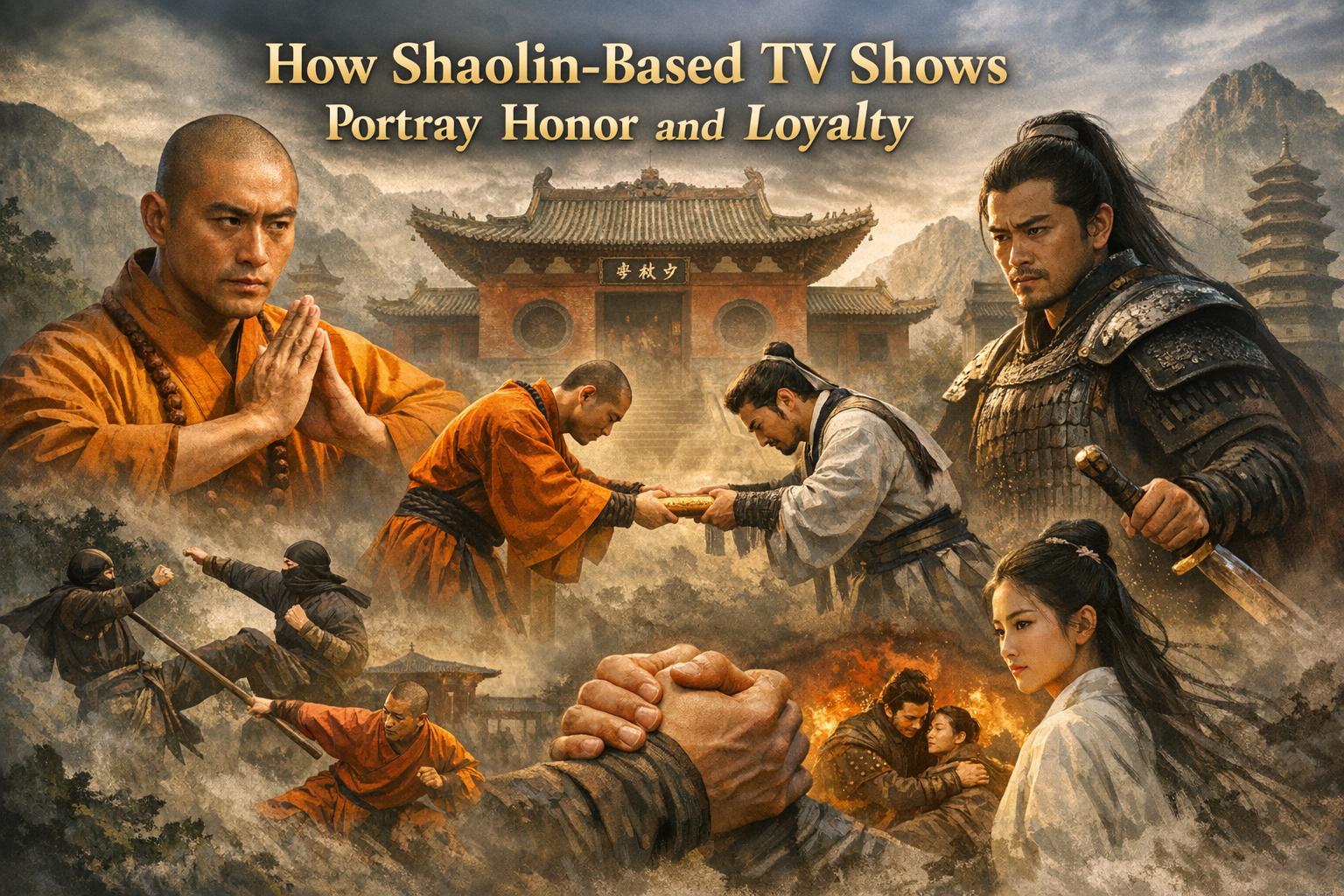
Examination of Honor and Loyalty in Shaolin-Based TV Shows
Shaolin-based television shows have captivated audiences across different cultures for decades. Their appeal lies not only in the dynamic choreography of martial arts sequences but also in their structured exploration of ethical systems rooted in tradition. At the center of these narratives are the enduring values of honor and loyalty, which are consistently presented as defining characteristics of Shaolin identity. These productions often weave together legend, history, and philosophy to depict a moral framework shaped by Buddhist thought and martial discipline. In doing so, they construct a dramatic environment where physical conflict serves as a vehicle for ethical examination.
Unlike purely action-driven series, Shaolin-based programs frequently embed moral deliberation into the storyline. Combat is rarely presented as an end in itself. Instead, it becomes a means through which characters test their integrity, devotion, and commitment to communal obligations. Honor and loyalty operate not as abstract ideals but as forces influencing decisions, alliances, and sacrifices. These themes are reinforced through visual symbolism, dialogue, and long-term character development.
Foundations of Shaolin Philosophy
Shaolin philosophy rests upon the synthesis of Buddhist teachings and martial discipline, forming a worldview that integrates contemplative practice with physical training. In television portrayals, this synthesis is frequently introduced through scenes of meditation, recitation of sutras, and disciplined practice routines within temple grounds. The emphasis on balance—between strength and restraint, action and reflection—forms the ethical landscape upon which ideas of honor and loyalty are constructed.
The Buddhist dimension of Shaolin philosophy shapes the understanding of moral conduct. Concepts such as compassion, detachment from ego, and awareness of consequence often guide the behavior of central characters. Even when a storyline involves warfare or rebellion, protagonists are typically shown weighing the broader implications of violence. This reflective dimension reinforces the notion that martial skill is secondary to moral awareness.
Simultaneously, martial discipline instills structure and hierarchy. Students respect masters not only for their technical expertise but for their embodiment of ethical standards. Training environments are depicted as rigorous and orderly, establishing a context where loyalty is cultivated through shared hardship and collective identity. The temple or martial academy becomes more than a physical location; it is a moral institution that anchors the characters’ sense of belonging.
Representation of Honor
Honor in Shaolin-based television narratives is portrayed as a guiding principle governing personal conduct. It extends beyond reputation or social standing and functions instead as an internalized standard. Characters who uphold honor demonstrate consistency between their values and actions, even when confronted with personal loss or disadvantage.
Protagonists are frequently placed in morally complex situations. They may be offered opportunities for revenge, advancement, or survival that require compromising core principles. The decision to refuse such opportunities illustrates the primacy of honor over expedience. This portrayal reinforces the understanding that integrity defines true strength. Physical victories achieved through deception or cruelty are often depicted as hollow or ultimately self-defeating.
Dialogue in these series often emphasizes the distinction between external recognition and inner worth. Masters instruct disciples that reputation can be manipulated, but moral character cannot be fabricated. Such instruction serves both as narrative guidance for the character and as thematic clarification for the audience. In this framework, honor emerges as self-regulation informed by ethical clarity rather than adherence to rigid codes imposed purely for conformity.
Furthermore, antagonists in Shaolin-based shows often function as contrasts to honorable protagonists. They may possess comparable or superior martial ability, yet their willingness to exploit, betray, or dominate others undermines their legitimacy. This contrast sharpens the portrayal of honor as a distinguishing attribute that transcends skill.
Depiction of Loyalty
Loyalty in Shaolin-themed programming extends across multiple relationships: loyalty to mentors, to fellow disciples, to the temple, and in some cases to the broader community or nation. Rather than depicting loyalty as unquestioning obedience, many narratives frame it as informed commitment grounded in shared values.
The relationship between master and disciple frequently becomes the central axis of loyalty. A disciple’s devotion is not presented merely as submission but as recognition of the master’s moral authority. Moments of tension may arise when disciples question orders or interpret teachings differently. These conflicts are resolved not through coercion but through dialogue, reflection, and reaffirmation of shared purpose. In this way, loyalty is shown to coexist with critical thought.
Another dimension involves loyalty to the temple or martial brotherhood. Characters often describe fellow practitioners as family, emphasizing bonds forged through discipline and sacrifice. When external threats arise, such as rival schools or oppressive regimes, these internal bonds guide collective response. Individual desires are sometimes subordinated to group welfare, demonstrating that loyalty requires prioritizing communal stability.
However, Shaolin-based series also explore the limits of loyalty. Storylines may introduce corruption within institutions or reveal hidden truths that complicate allegiance. In these situations, protagonists must reconcile personal morality with institutional loyalty. The resolution often emphasizes that true loyalty aligns with ethical principles rather than blind adherence to flawed authority. This nuanced portrayal prevents the concept from being oversimplified.
Influence of Historical Context
Historical references play a significant role in shaping how honor and loyalty are depicted. Many Shaolin-based television shows incorporate elements from periods of political upheaval, including dynastic transitions or regional conflicts. These settings intensify moral tensions by situating personal decisions within national or cultural crises.
The association of the Shaolin Temple with resistance narratives, whether legendary or historically grounded, strengthens the portrayal of loyalty as collective defense. Characters are sometimes depicted protecting civilians, preserving cultural heritage, or safeguarding sacred texts. Such storylines frame loyalty as service to broader societal continuity.
Historical context also informs the representation of hierarchy and duty. In traditional Chinese society, relational obligations structured political and social interaction. Television adaptations mirror this structure, embedding loyalty within family ties, teacher-student relationships, and regional identity. Honor becomes inseparable from fulfilling one’s designated role responsibly.
The inclusion of historical costumes, architecture, and customs reinforces authenticity. These visual elements anchor abstract values within a tangible past. By situating ethical principles in recognizable historical frameworks, the shows provide coherence to the characters’ motivations and decisions.
Narrative Techniques and Character Development
Beyond thematic content, narrative techniques contribute to the examination of honor and loyalty. Long-form television storytelling allows gradual character development, enabling audiences to observe the evolution of ethical awareness. Early episodes may depict impulsive or inexperienced apprentices who misunderstand loyalty as rigid obedience. Over time, exposure to conflict and mentorship fosters a more mature interpretation.
Flashbacks are commonly used to reveal formative events that shaped a character’s understanding of honor. For example, witnessing betrayal or injustice in childhood may strengthen resolve to act differently as an adult. Such narrative devices contextualize current decisions and reinforce continuity in moral identity.
Visual symbolism further supports thematic emphasis. Temple courtyards, incense smoke, and disciplined formations serve as reminders of order and continuity. Scenes of silent meditation before major confrontations underscore the importance of reflection preceding action. These recurring visual cues integrate philosophical themes into the rhythm of storytelling.
Conflict Between Personal Desire and Collective Duty
An important dimension in many Shaolin-based series is the tension between individual aspiration and communal responsibility. Characters may develop personal attachments or ambitions that conflict with monastic expectations. The exploration of this tension adds depth to the portrayal of loyalty.
When a character chooses communal duty over personal fulfillment, the narrative often underscores the cost of such a decision. However, this cost is framed as part of moral growth rather than tragic loss. The emphasis remains on maintaining alignment with guiding principles. Conversely, when characters temporarily abandon duty for personal reasons, they typically confront consequences that prompt reflection and eventual reconciliation.
This dynamic reinforces the understanding that loyalty involves conscious prioritization rather than passive conformity. The viewer is invited to consider how principles guide choices under pressure.
Cross-Cultural Reception and Interpretation
The international popularity of Shaolin-based television demonstrates that themes of honor and loyalty extend beyond specific cultural contexts. While rooted in Chinese philosophy, these values correspond to ethical traditions found in other societies. Audiences may interpret characters’ actions through their own moral frameworks, facilitating cross-cultural engagement.
However, interpretation can vary. Some viewers may focus primarily on the spectacle of martial arts choreography, while others engage more deeply with philosophical components. The layered storytelling structure accommodates both approaches. For those attentive to ethical nuance, the shows provide sustained exploration of moral commitment under strain.
The global distribution of such programs has also influenced perceptions of martial arts. Rather than viewing martial arts solely as competitive sport or physical technique, audiences encounter a portrayal emphasizing discipline, humility, and ethical orientation. This broader perception aligns physical training with character development.
Enduring Significance in Contemporary Media
In contemporary media environments characterized by rapid pacing and complex antiheroes, Shaolin-based series maintain a more structured moral architecture. While they incorporate suspense and layered character arcs, they typically preserve clarity regarding the value of honor and loyalty. This clarity does not eliminate moral complexity but situates it within an identifiable framework.
Modern adaptations sometimes reinterpret traditional elements to address contemporary concerns. Issues such as institutional reform or personal autonomy may be integrated into historical settings. Such reinterpretations demonstrate the adaptability of Shaolin ethics to evolving contexts.
The endurance of these themes suggests that narratives built around principled conduct continue to hold relevance. Honor and loyalty are not portrayed as relics of feudal systems but as adaptable guides for ethical behavior within changing circumstances.
Conclusion
Shaolin-based television shows offer a sustained examination of honor and loyalty through the integration of Buddhist philosophy, martial discipline, and historical narrative. These values are embedded in character arcs, institutional structures, and visual symbolism, creating a coherent moral environment. Honor emerges as internal integrity expressed through consistent action, while loyalty is depicted as informed commitment to shared principles and communal welfare. By situating personal conflicts within broader cultural and historical frameworks, these series provide layered portrayals of ethical decision-making.
Through their combination of action and reflection, Shaolin-based programs contribute to the broader understanding of martial arts as an ethical discipline. The continued production and international reception of such shows indicate the lasting resonance of values grounded in moral responsibility and collective identity.
This article was last updated on: March 24, 2026