

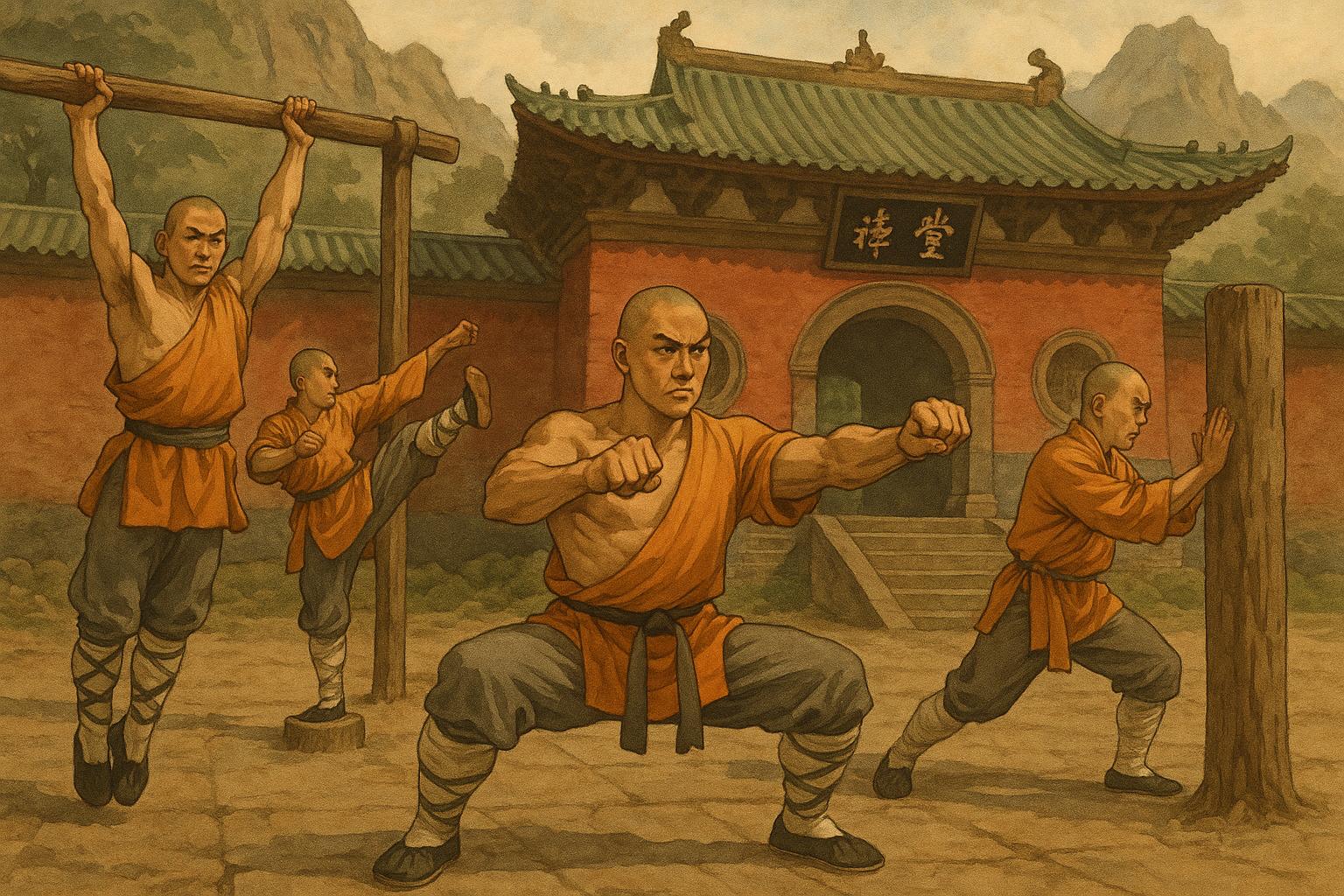
Introduction to Shaolin Training in Films
Shaolin-based films have captivated audiences with their portrayal of rigorous and disciplined martial arts training. These films often depict the monks undergoing grueling exercises and mental conditioning to achieve mastery in their skills. This article explores the common training regimens portrayed in Shaolin films, focusing on their various elements and the philosophies behind them.
Physical Conditioning
One of the most emphasized aspects of Shaolin training depicted in films is physical conditioning. This involves enhancing strength, agility, and endurance through arduous exercises.
Strength Training: Monks are often depicted performing laborious tasks that build muscle strength, such as lifting heavy weights, climbing steep surfaces, and executing repetitive physical movements. The rigorous physical demands require monks to engage in activities that build core and limb strength essential for executing martial arts techniques.
Flexibility and Agility: Films frequently highlight the importance of flexibility and agility, showing monks engaging in stretching routines and executing agile maneuvers like flips and jumps. Stretching sequences commonly depicted in these films showcase monks achieving remarkable levels of flexibility necessary for executing complex martial arts techniques smoothly and without injury.
Endurance Challenges: Endurance is built through long-distance running, balancing exercises, and sustaining difficult poses for extended periods. Often seen enduring harsh environments and weather conditions, the monks’ ability to withstand physical strain is a critical aspect of their training, often tested through prolonged physical exertions that push their bodies to the limit.
Mental Discipline
The mental aspect of training is as crucial as physical conditioning in Shaolin practices, as depicted in films. Training often includes elements that focus on cultivating mental sharpness and reinforcing psychological resilience.
Meditation: Meditation is portrayed as a vital component for achieving mental clarity and focus. Monks are shown deep in meditation, often in tranquil settings, to strengthen their mind-body connection. The practice serves as a method to clear the mind of distractions, enabling practitioners to channel their energy more effectively during combat.
Focus Exercises: Activities like balancing on narrow surfaces or breaking objects with precise strikes are used to demonstrate the importance of focus and concentration. The ability to maintain concentration amidst chaos is an essential skill developed through consistent practice, allowing monks to maintain their composure and efficacy during confrontations.
Techniques and Forms
Shaolin films showcase a variety of martial arts techniques and forms that are part of the traditional curriculum. Each style often symbolizes different animals or elements, representing unique philosophies and strategies.
Tiger Style: This technique emphasizes strength and ferocity, depicted through powerful and forceful movements. Practitioners channel aggressive, robust forms symbolically likening them to the tiger, embodying the predator’s raw power and relentless technique in combat scenarios.
Crane Style: In contrast, the Crane Style focuses on balance and agility, incorporating graceful and fluid motions. The style reflects the elegance and precision of a crane, promoting strategies that rely on swift, decisive movements executed with careful precision.
These forms are not only physical expressions but also embody philosophical teachings, linking the practitioner to nature and the universe. The mastery of these forms requires understanding the harmonious integration of physical, mental, and spiritual aspects, emphasizing the deeper meaning pursued through martial arts practice.
The Philosophy Behind Training
The films often infuse philosophical and ethical teachings within the training regimens. These include values such as humility, respect, discipline, and the pursuit of inner peace. While cinematic portrayals focus on physical prowess, they highlight the underlying moral and ethical tenets that guide the training practices. The monks’ journey portrays personal development as a pivotal aspect of martial training, extending beyond mere combat technique mastery.
Such narratives highlight that the purpose of Shaolin training extends beyond combat effectiveness to personal growth and enlightenment. The moral dimension of their practices serves as a bridge to inner peace and profound self-awareness, weaving broader philosophical traditions into their training methods.
Throughout the films, the relentless physical and mental challenges reflect a commitment to self-improvement, serving as a metaphor for struggles faced in pursuit of one’s aspirations. These elements underscore core teachings emphasizing that martial arts offer a path toward personal refinement and an enlightened state of being.
Conclusion
In conclusion, Shaolin-based films illustrate the intense regimens and philosophical depth that lie at the heart of traditional Shaolin martial arts. While these cinematic depictions embellish certain aspects to enhance their dramatic appeal, the foundational themes remain grounded in authentic practices that date back centuries. The films portray not only a martial journey but also an exploration of the human spirit, characterized by the relentless quest for personal and spiritual advancement.
For viewers, these films offer a lens through which to appreciate the intricate balance between physical prowess and mental resilience. Through their striking portrayals, audiences catch glimpses of the disciplines that shape the identities of those invested in the Shaolin tradition.
Moreover, movies centering Shaolin training spark an interest in exploring cultural and historical contexts associated with these practices. They inspire further investigation into how these martial arts have influenced broader cultural narratives and continue to hold significance in modern contexts.
Ultimately, the depiction of Shaolin training in films serves as a celebration of the discipline’s rich heritage, offering an engaging fusion of entertainment and education. It invites viewers to reflect on the value of resilience, focus, and philosophical introspection, gaining insight into the virtues cultivated through the Shaolin way.
This article was last updated on: March 3, 2026